
As a flat fee listing broker, I come across many different scenarios where people are wanting to sell their property. Some of these are short sales, divorce, estate sales, investors, builders and traditional sales. However, as a discount listing broker there is one type of sale, I steer away from and that is sales from Wholesalers.
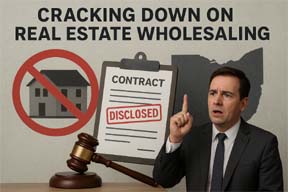
Ohio Is Cracking Down on Real-Estate Wholesaling — What Wholesalers Need to Know
A quiet but consequential shift is happening in Ohio’s housing market: state officials and lawmakers are moving to rein in certain real estate wholesaling practices that have, in recent years, targeted vulnerable homeowners and skirted long-standing real-estate rules. What began as a consumer-protection response to unsolicited offers and predatory tactics is now morphing into concrete legislation and enforcement measures that every investor, marketer, and would-be wholesaler in Ohio must understand. Below is a plain-English guide to what’s changing, why it matters, and the concrete rules and best practices wholesalers should follow.
What is “Wholesaling,” and Why is Ohio Worried?
Wholesaling in real estate generally means a person contracts to buy a property (or otherwise secures the right to buy it) then transfers or assigns that contract to another buyer for a fee often without ever taking title. When done transparently and ethically, it’s a common way for investors to find deals. But complaints have grown about aggressive unsolicited offers to homeowners (especially older adults), under-market “cash” offers, and marketing that makes the wholesaler look like the homeowner’s agent or a legitimate buyer when they’re actually flipping contract rights. These concerns prompted consumer alerts and legislative action in 2025. Older Adults Targeted in Unsolicited Real Estate Offers
The Big Regulatory Change: SB 155 (and related enforcement)
Ohio’s legislature introduced and moved SB 155 in 2025 to directly address wholesaling practices. The bill would add a new statutory section focused on wholesalers, require clear disclosures to homeowners, clarify circumstances that could trigger licensing or disciplinary actions, and give regulators stronger enforcement tools. The proposal was advanced with broad bipartisan support and has been described publicly as a consumer-protection measure aimed at stopping predatory targeting of older homeowners and misleading marketing. If enacted, SB 155 formalizes many of the concerns consumers and regulators have already been warning about. Revise the real estate wholesaler law
Why the State and Agencies are Acting Now
Three trends pushed Ohio toward action:
- A documented rise in unsolicited offers and scams targeting older homeowners. State agencies issued warnings after receiving increased complaints.
- Industry and local officials noting that some “wholesalers” routinely marketed properties they didn’t own, or presented themselves in ways that could confuse sellers about representation and fees.
- A broader national trend of states tightening rules around wholesaling and investor-driven purchases that may depress local housing access. Federal and state politicians have publicly discussed the harms of predatory investing. The Statehouse News Bureau
Together, those trends created political momentum for clearer lawmaking and stronger consumer protections.
Core Rules and Requirements Wholesalers Should Expect (and already see being enforced)
Whether SB 155 is already signed or still in the pipeline, regulators and courts are using existing law and administrative authority to pursue misleading wholesaling behavior. Below are the concrete rules and safe practices wholesalers must follow in Ohio today and that new legislation reinforces:
1) Disclose Your Role Clearly and in Writing
- Before entering into a contract that transfers a homeowner’s interest, make a written, prominent disclosure that you are not acting as the homeowner’s agent and that you intend to assign the contract for profit.
- If the law requires a specific form or wording (as SB 155 proposes), use it exactly as required. Failure to disclose can lead to disciplinary action and civil claims.
2) Don’t Masquerade as the Seller or the Seller’s Agent
- Avoid marketing language that lists you as the seller, a “listing agent,” or an authorized representative unless you hold that authority.
- If you don’t have title, don’t advertise the home as “for sale” by owner or as your listing instead advertise the contractual interest or “assignment opportunity.” Misrepresenting your role risks violating licensing statutes.
3) Ensure Contracts Allow Assignment (and document intent to close)
- Use a purchase agreement that specifically permits assignment (or otherwise create an enforceable equitable interest). If assignment is prohibited, you risk breach.
- Be prepared to show genuine intent to close if asked. Repeatedly signing purchase contracts with no intention of performing and merely flipping them can attract possible enforcement including (Cease and Desist, Civil Fines, Permanent Injunction or Referral to the county prosecutor or Attorney General)
4) Don’t Engage in an Unlicensed Brokerage
- Ohio law requires licensing for those who act as real-estate brokers or agents for compensation. If your activity crosses into negotiating on behalf of others, listing or marketing for sellers, or otherwise brokering sales regularly, you may need a license. When in doubt, consult an attorney or consider obtaining a license.
5) Avoid High-Pressure Targeting of Vulnerable Homeowners
- Regulators have flagged unsolicited outreach to older adults as especially problematic. Do not use aggressive door-to-door tactics, misleading mailers, or scripts that pressure homeowners into quick decisions. Many agencies recommend extra caution and verification procedures when dealing with seniors. Don’t take advantage of old people.
6) Keep Complete Clear Documentation
- Save copies of disclosures, contracts, assignment forms, communications, and proof of delivery of disclosures. If a regulator or a homeowner questions your conduct, good records can be decisive.
What Happens if You Don’t Comply?
Penalties vary depending on the statute and the conduct, but possible consequences include:
- Administrative discipline by the Division of Real Estate and Professional Licensing (fines, cease-and-desist orders, license revocation if licensed).
- Civil liability to homeowners for misrepresentation, fraud, or breach of contract.
- Increased scrutiny and potential enforcement actions if practices are part of wider predatory or deceptive schemes.
In short: noncompliance isn’t only a paperwork problem; it can threaten your business and lead to costly legal exposure.
Practical Compliance Checklist for Wholesalers (quick reference)
- Use a contract that permits assignment AND keep a red-flag checklist showing intent to close if necessary.
- Provide the statutorily required disclosure to the homeowner in bold/plain language before signing the contract. (If SB 155 is enacted, follow its exact wording.)
- Avoid ad copy that implies you represent the seller or are a licensed broker when you are not.
- Refrain from unsolicited approaches to seniors or vulnerable groups; verify consent and understanding in writing.
- Maintain written records of all communications, disclosures, and transaction documents.
- Consider obtaining a real-estate license or partnering with a licensed broker for certain activities.
Business Adjustments Wholesalers Should Consider Now
- Revise your marketing. Update websites, mailers, and scripts so they emphasize that you are marketing an assignment or an investment opportunity not listing the homeowner’s property.
- Train staff on disclosure and elder-abuse safeguards. Documentation and training go a long way in preventing regulatory complaints.
- Seek legal templates and counsel. Work with an Ohio real-estate attorney to draft assignment language and disclosure forms that meet current law or anticipated SB 155 requirements.
- Consider licensing. If your model relies heavily on listing, negotiating for sellers, or regular brokering, getting a license reduces legal risk and may open marketing capabilities.
Public Policy and the Homeowner Perspective
Policymakers and advocacy groups advancing these rules frame them as homeowner protections: disclosures and limits are intended to make sure owners (often older or distressed) understand who is making offers, why the offer might be low, and that the middleman will profit. That transparency is the policy goal behind SB 155, which supporters say will curb bad actors without outlawing legitimate investment activity. Critics argue some rules could over-regulate small investors or raise transaction costs. Expect debate as rules move toward final implementation.
Finally Adapt or Risk Exposure
Wholesaling isn’t dead in Ohio but the era of casual, high-pressure, and nontransparent flipping of homeowner contracts is ending. Whether you’re a small investor, part of a buyer network, or building a wholesaling business, the sensible path is to adopt strong transparency, strict documentation, and conservative marketing practices now. If SB 155 becomes law as written, wholesalers will face concrete disclosure obligations and clearer enforcement authority. Staying ahead of the change by updating contracts, improving disclosure, training staff, and consulting counsel will protect your deals and keep you in business.
Team Results Realty is currently not allowing Wholesalers to use our flat fee MLS listing plans. Until all legislation is complete and passed and Wholesalers begin to comply, we will not be putting our brokerage at risk. Once this style of real estate is established and better policed, we will take another look at allowing Wholesalers to use our flat fee listing.